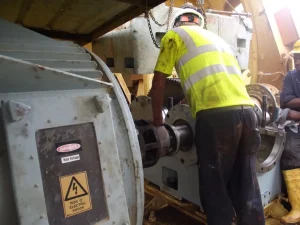
Process Safety Management: The Hidden Backbone of Industrial Success
In high-risk industries such as mining, oil & gas, power generation, and manufacturing, success is often measured by output, efficiency, and profitability. But behind every high-performing operation lies something far more crucial — Process Safety Management (PSM).
PSM is not just a compliance requirement. It is the unseen system that protects people, assets, and the environment while enabling organizations to operate at their full potential. When implemented correctly, it becomes the backbone of industrial success.
Why Process Safety Management Matters
Industrial facilities handle hazardous chemicals, high temperatures, explosive materials, heavy machinery, and complex processes. Without structured safety systems in place, a single failure can lead to:
-
Fires
-
Explosions
-
Chemical releases
-
Severe injuries
-
Environmental damage
-
Costly shutdowns
-
Reputational loss
PSM provides the framework industries need to prevent these catastrophic events. It integrates engineering, operations, and management practices to ensure hazardous processes remain under control at all times.
PSM Is More Than Safety — It’s Strategic Performance
Contrary to how some organizations view it, PSM is not only about avoiding accidents. It directly influences:
✔ Productivity
Stable, well-controlled processes reduce unexpected shutdowns and downtime.
✔ Cost Efficiency
Preventing one major incident saves millions in losses and repairs.
✔ Asset Longevity
Consistent safety practices reduce stress on equipment and extend its lifecycle.
✔ Workforce Confidence
Employees perform better in environments where safety is visibly prioritized.
✔ Regulatory Compliance
Robust PSM systems protect companies from penalties and legal liabilities.
Companies that prioritize PSM aren’t just safer — they are more competitive.
Core Elements of an Effective PSM Program
Strong Process Safety Management involves several interconnected components, including:
1. Process Hazard Analysis (PHA)
A structured method for identifying potential hazards, operational risks, and failure points within a system.
2. Mechanical Integrity
Ensuring equipment, machinery, and critical assets remain dependable and safe through consistent inspections and maintenance.
3. Management of Change (MOC)
Controlling risks introduced by modifications to equipment, processes, materials, or personnel responsibilities.
4. Emergency Preparedness and Planning
Systematic readiness for fire, explosion, or chemical release scenarios to protect life and property.
5. Contractor Safety Management
Ensuring external contractors understand and follow all safety requirements on site.
6. Process Safety Audits
Routine audits, checklists, and verifications to ensure PSM procedures are followed and continuously improved.
When these elements operate in harmony, facilities achieve stronger reliability, stability, and performance.
The African Industrial Landscape Needs Stronger PSM
As African industries expand and equipment becomes more advanced, risks naturally increase. Many facilities now rely on:
-
High-pressure systems
-
Hazardous chemicals
-
Large-scale mechanical operations
-
Dense industrial infrastructure
This makes Process Safety Management more essential than ever. Organizations that invest in PSM today set themselves apart as leaders capable of meeting international standards of safety and operational excellence.
How DSC Supports PSM Excellence
Dataman System Consultancy provides comprehensive support to help companies design, implement, and sustain strong PSM programs. Our offerings include:
-
Process Hazard Analysis
-
Identification of actual and potential loss scenarios
-
Fire and explosion risk evaluations
-
PSM audit programs and checklists
-
Contractor health and safety management
-
Emergency response development
-
Management of organizational change systems
-
Training and PSM awareness programs
We ensure your facility is not only compliant but operating at the highest level of reliability and safety.
Conclusion: The Unseen Strength Behind Industry Leaders
Process Safety Management is the silent force that keeps industrial operations stable, efficient, and profitable. When organizations take PSM seriously, they reduce risk, protect investments, and build long-term resilience.
The most successful companies aren’t just the ones who produce more — they are the ones who operate safely, consistently, and intelligently. PSM is the key.