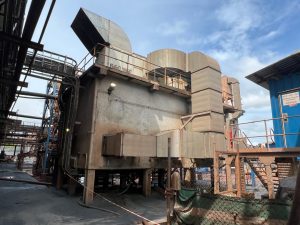
Understanding Fire, Explosion, and Hazard Risks in High-Pressure Work Environments
High-pressure industrial environments—such as mining operations, manufacturing plants, power stations, oil & gas facilities, and chemical processing sites—are essential to Africa’s economic growth. But they also present some of the most dangerous operational risks found anywhere in industry.
Fire outbreaks, explosions, chemical reactions, and mechanical failures can happen unexpectedly and with devastating consequences. Understanding these risks is the first step toward preventing them—and building safer, more reliable workplaces.
The Nature of High-Pressure Industrial Risks
High-pressure environments involve intense mechanical force, high temperatures, combustible materials, electrical systems, flammable gases, and complex machinery operating simultaneously.
These conditions make them especially vulnerable to:
-
Sudden equipment failure
-
Chemical instability
-
Heat buildup
-
Pressure release incidents
-
Ignition sources
-
Environmental exposure
Without structured monitoring and safety systems, normal operations can quickly escalate into life-threatening incidents.
Common Causes of Industrial Fires and Explosions
1. Flammable Vapors and Gases
Leaked gases, fuel vapors, solvents, and chemicals can ignite with just a spark—from static electricity, friction, electrical equipment, or open flames.
2. Dust Accumulation
Industries like cement, grain processing, and manufacturing face dust explosion risks. Fine particles suspended in the air can combust violently under the right conditions.
3. Pressure Build-Up
Blocked valves, faulty relief systems, or overheating can cause excessive pressure, leading to explosions or catastrophic equipment rupture.
4. Mechanical Failures
Misalignment, worn bearings, friction, and inadequate lubrication can generate heat and ignition sources.
5. Electrical Hazards
Loose wiring, overloaded circuits, and unprotected electrical installations often trigger industrial fires.
6. Human Error
Improper procedures, poor training, or bypassed safety systems remain a major cause of high-pressure accidents.
The Hidden Costs of Fire and Explosion Incidents
Beyond immediate danger, fire and explosion events can result in:
-
Loss of life
-
Facility damage
-
Extended downtime
-
Legal liabilities
-
Environmental contamination
-
Equipment replacement costs
-
Reputational harm
For many companies, one major incident is enough to cripple operations permanently.
How to Reduce Fire and Explosion Risks: A Data-Informed Approach
Industries that effectively manage these hazards rely on structured, data-driven safety programs. Key strategies include:
1. Process Hazard Analysis (PHA)
A systematic method of identifying where and how hazards may occur. It evaluates equipment, processes, chemicals, and human interactions to expose vulnerabilities before incidents happen.
2. Condition Monitoring
Tracking temperature, vibration, pressure, and corrosion to detect early signs of failure.
3. Mechanical Integrity Programs
Ensuring critical equipment—pressure vessels, boilers, pipelines, rotating machinery—remains safe and reliable through scheduled inspections and maintenance.
4. Emergency Response Planning
A well-rehearsed plan saves lives and minimizes damage when incidents occur. This includes fire drills, evacuation protocols, and incident command structures.
5. Hazardous Materials Management
Proper storage, labeling, containment systems, and waste handling reduce chemical risks significantly.
6. Personnel Training
Knowledgeable operators and technicians are the first line of defense. Training improves hazard awareness, safe work practices, and emergency reaction.
The Role of Process Safety Management (PSM)
PSM ties all safety elements together into a complete, proactive system.
It ensures:
-
Workplace hazards are identified
-
Controls are implemented
-
Procedures are followed
-
Changes are managed safely
-
Equipment remains in safe condition
-
Response plans are up-to-date
Strong PSM practices drastically reduce fire, explosion, and hazard-related incidents in high-pressure facilities.
How DSC Supports Safer Industrial Environments
Dataman System Consultancy provides specialized safety solutions including:
-
Fire, explosion, and hazard risk assessments
-
Process Hazard Analysis (PHA)
-
PSM audit programs and checklists
-
Mechanical integrity and inspection programs
-
Emergency preparedness training
-
Safety awareness and contractor management
-
Loss prevention evaluations and recommendations
Our goal is simple: to help industries operate safely, reliably, and with total confidence.
Conclusion
High-pressure work environments demand precision, discipline, and proactive safety management. Fires and explosions may seem sudden—but in reality, most can be predicted and prevented through structured analysis, training, and risk-based strategies.
When industries treat hazard control as a priority, they don’t just protect people and assets—they safeguard their long-term success.